Cold Room FAQ

Ultimate Guide to Commercial Cool Room Maintenance: 10 Essential Tips

Maintaining a commercial refrigeration cool room in Brisbane, Gold Coast and Sunshine Coast is crucial for businesses that rely on temperature-sensitive goods—whether you’re running a restaurant, grocery store, butcher shop, or pharmaceutical warehouse. Regular upkeep ensures energy efficiencylonger equipment life, and product safety. Here’s a complete guide packed with 10 essential maintenance tips, each paired with helpful icons and action points.


1. 🧼 Regular Cleaning

One of the easiest but most impactful maintenance tasks is keeping your cool room clean.

  • Condenser Coils: Dust and grime on condenser coils make your system work harder. Clean every 3 months with a soft brush or vacuum.
  • Interior Cleaning: Wipe down walls, floors, shelves, and door handles weekly. Use non-abrasive disinfectants to maintain food safety and hygiene.

💡 Tip: Create a cleaning schedule and checklist to ensure consistency.
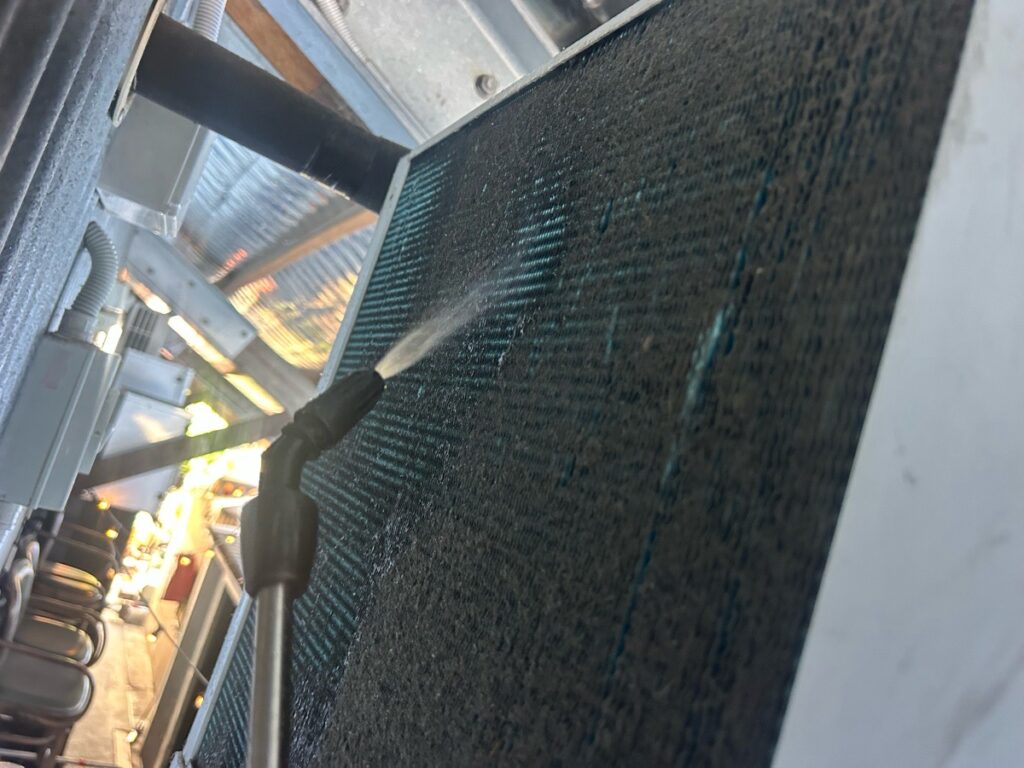
Coil Cleaning in Progress

2. 🚪 Check the Door Seals

Damaged or worn gaskets and door seals let warm air in and cold air out, reducing efficiency and increasing energy costs.

  • Inspect seals monthly for cracks, splits, or loose edges.
  • Replace damaged seals promptly to avoid straining the compressor.

🛠️ Quick Fix: Try the paper test—if you can slide paper out when the door is closed, the seal needs replacing.
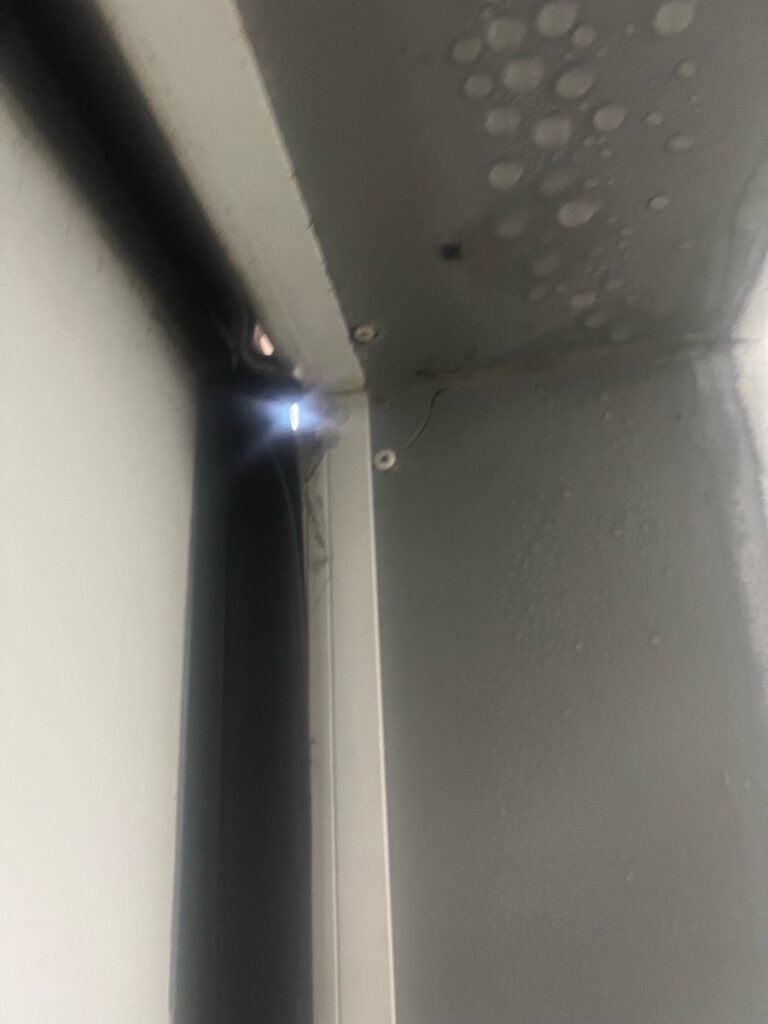
Deformed Seal letting in warm air = Excess Condensation

3. 🌡️ Monitor the Temperature

Maintaining a consistent internal temperature is key to food safety and system health.

  • Install a backup thermometer to verify readings from your built-in system.
  • Set alerts for sudden temperature changes, which could signal equipment failure.

🧠 Best Practice: Keep a daily log of temperature checks for compliance and auditing.
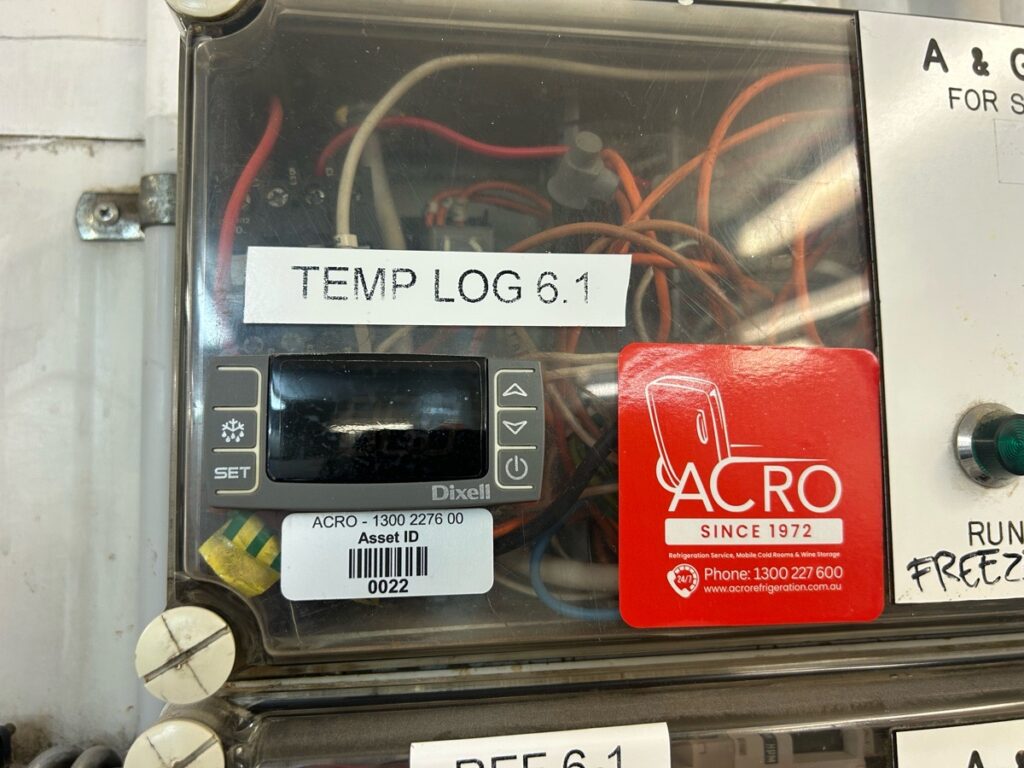
Digital Temperature Control

4. 🧰 Schedule Regular Maintenance

Professional maintenance is critical in catching problems before they turn into costly breakdowns.

  • Schedule inspections every 6 months by a licensed refrigeration technician.
  • Services should include: compressor checks, refrigerant level assessment, fan motor testing, and leak detection.

📅 Reminder: Set calendar alerts so you never miss a service date.

Friendly, Expert Technicians

5. 📦 Practice Proper Stocking

Overstocking reduces air circulation and forces your unit to work harder.

  • Store items with space between them for airflow.
  • Avoid placing products directly against the evaporator or fan outlets.

🚫 Avoid: Blocking airflow with cardboard boxes or stacked containers.


6. 🌀 Inspect the Fans

Fans distribute cold air evenly inside the cool room.

  • Check that all fans are spinning freely and quietly.
  • Listen for unusual noises, which could signal a worn bearing or electrical fault.

⚠️ Warning: A malfunctioning fan can lead to hot spots and spoiled inventory.


7. ⚙️ Maintain the Compressor

The compressor is the powerhouse of your refrigeration system.

  • Inspect for oil leaks, vibration, or excessive heat.
  • If the unit is constantly running, it’s time for a professional assessment.

🔍 Watch For: Increased noise or short cycling (frequent starting and stopping).


8. ❄️ Check the Defrost System

Automatic defrost systems prevent frost build-up, but they still need oversight.

  • Inspect evaporator coils for frost accumulation.
  • If necessary, run a manual defrost cycle to keep airflow optimal.

🧊 Note: Ice build-up reduces efficiency and raises energy usage.
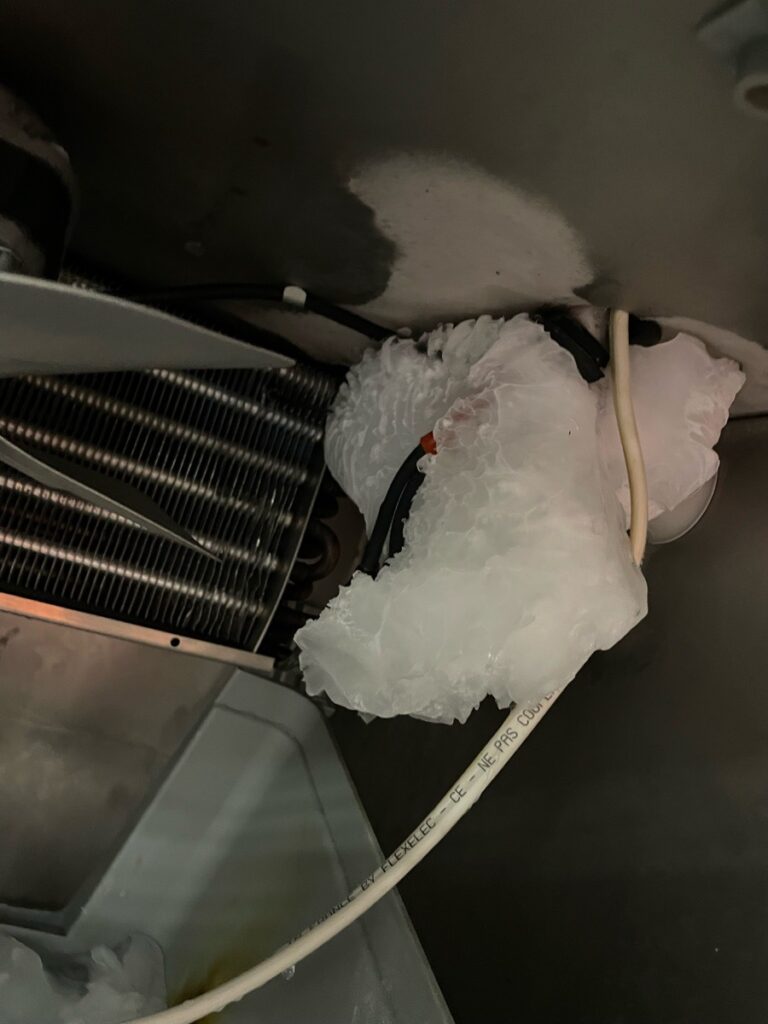
Ice Build Up

9. 💡 Monitor Energy Consumption

A sudden increase in power usage often signals an underlying problem.

  • Review energy bills and set consumption baselines.
  • Use smart meters or energy management systems to track performance.

🔋 Tip: Upgrade to energy-efficient units with high-star ratings for long-term savings.


10. 📚 Stay Informed & Trained

Technology and compliance standards are always evolving.

  • Keep up with industry best practices through webinars, trade shows, and industry publications.
  • Train your staff to follow operational procedures and report issues early.

🧠 Knowledge Is Power: A well-informed team reduces the risk of user-caused issues.


✅ Final Thoughts: Don’t Let Your Cool Room Let You Down

A poorly maintained cool room can lead to spoiled products, regulatory violations, and expensive repairs. But with regular inspectionsprofessional servicing, and daily attention to detail, you can keep your commercial refrigeration system running smoothly and efficiently.

📞 Ready for Reliable Cool Room Maintenance?

At ACRO, we specialize in commercial refrigeration servicing and preventative maintenance.

👉 Let’s Help You Stay Cool:


🔄 Stay Connected

Follow us on Facebook, or LinkedIn for the latest updates on commercial refrigeration tips and industry news.

📰 Enjoyed this article?

Browse more helpful insights and case studies on our Refrigeration Blog

Why Choose ACRO? The Real Cost of Cheap Refrigeration Services

Why Choose ACRO? The Real Cost of Cheap Refrigeration

Discover why cheap refrigeration services cost more in the long run. ACRO delivers reliability, compliance, and lasting value.


Reliability First

When your cold room or AC system fails, the real cost isn’t just the repair bill — it’s lost stock, lost customers, and lost revenue.

ACRO guarantees a 24/7 response with qualified technicians, so downtime is kept to a minimum. Cheaper operators often can’t (or won’t) back their service when you need them most.


Skilled, Compliant Technicians

Our refrigeration and air conditioning technicians are fully licensed, insured, and trained. We don’t cut corners.

  • Every licence and qualification is maintained and audited.

  • You’re covered by insurance and industry compliance.

  • Cheap labour often means unlicensed work — which leaves you legally and financially exposed.


True Cost vs Sticker Price

A “cheap” $90/hr rate often ends up far more expensive:

  • Poor diagnosis = multiple call-outs.

  • Incorrect installs = repeat failures.

  • No paperwork = compliance fines.

ACRO technicians fix it right the first time.

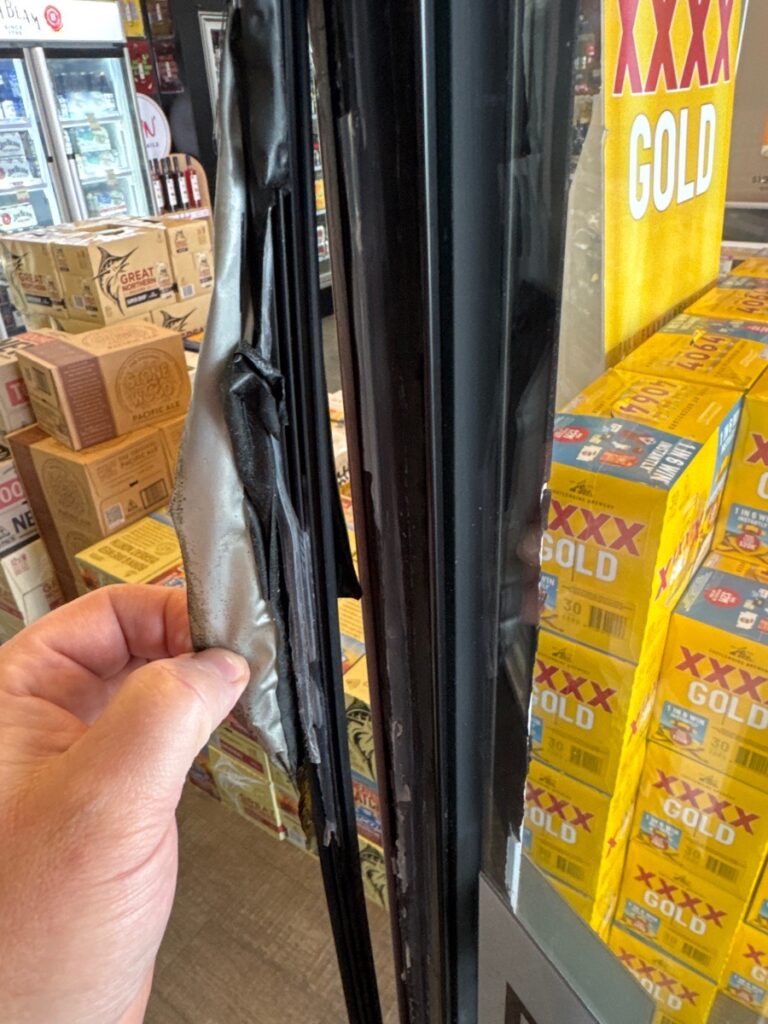
Here are some of the ‘cheap repairs’ we’ve been called in to rectify.


Staff Retention = Service Continuity

We invest in our team with above-market pay, training, and clear career paths.

That means the same techs service your site year after year. You get consistent quality and peace of mind.

Low-cost operators churn through staff — and you end up training their new guy every visit.


Value, Not Just Cost

We’re not the cheapest, and we don’t aim to be. What we deliver is:

  • Lower downtime

  • Longer equipment life

  • Compliance peace of mind

  • A service partner you can trust long term


The Bottom Line

When refrigeration or air conditioning is mission-critical, cheap options can cost you far more in the long run.

With ACRO, you’re investing in reliability, compliance, and quality service that protects your business.

Frequently Asked Questions

Do you really operate 24/7?
Yes—nights, weekends, and public holidays.

How fast can you arrive?
Usually within two hours of your call, faster in metro areas.

Do you work on all brands?
All major commercial brands, including Skope, Williams, Hoshizaki, Bromic, Mint, Tecumseh, Kir.

Is your pricing fixed?
We quote up-front; no hidden charges. The call out fee 7am to 3pm Mon-Fri is $99. The fee excludes GST, parts and labour.

Do first-time customers have to pay upfront?
Yes—for small businesses on the first job only. We moved to this after repeated non-payment from new accounts; it keeps prices fair and response times fast. After your first job (or once your account is approved) we’re happy to offer 7-day terms. Medium/large organisations and approved accounts are not required to prepay.

📞 Ready to Get Back Online?

If your refrigeration has failed, don’t wait.
Call 1300 227 600 now or book urgent service online.

👉 Book Emergency Repairs Now
👉 Learn More About Our Preventative Maintenance Plans


Related Services

Stay Connected

Follow us on Facebook, or LinkedIn for the latest updates on commercial refrigeration tips and industry news.

Enjoyed this article?

Browse more helpful insights and case studies on our Refrigeration Blog

Pre-Summer Checks for Commercial Refrigeration and Air Conditioning Systems

Pre-Summer Checks for Commercial Refrigeration and Air Conditioning Systems

Introduction

Queensland summers are tough on commercial refrigeration and air conditioning systems. High temperatures, humidity, and peak operational loads can push equipment to its limits — and failures during this period are not only inconvenient, they’re costly.

A pre-summer maintenance check ensures your systems run efficiently, reduce the risk of breakdowns, and maintain compliance during the hottest months of the year.


1. Why Pre-Summer Checks Matter

When temperatures soar, refrigeration and air conditioning systems:

  • Work harder, increasing wear and tear.

  • Consume more energy if not optimised.

  • Are more prone to breakdowns, especially under heavy loads.

Pre-season servicing helps detect issues early, preventing emergency call-outs and downtime during peak demand.


2. What’s Included in a Commercial Refrigeration Pre-Summer Check

At ACRO, our refrigeration service checklist includes:

  • Cleaning condenser and evaporator coils.

  • Checking refrigerant charge and leak testing.

  • Inspecting and tightening electrical connections.

  • Testing door seals, fans, and defrost systems.

  • Calibrating temperature controls for accuracy.

These steps ensure your equipment operates at peak efficiency, saving you money on running costs and protecting valuable stock.


3. What’s Included in a Commercial Air Conditioning Pre-Summer Check

Our air conditioning service checklist covers:

  • Cleaning filters, coils, and condensate drains.

  • Checking refrigerant levels and airflow performance.

  • Inspecting belts, pulleys, and moving parts.

  • Testing control systems and thermostats.

  • Assessing overall system efficiency.

This reduces the risk of breakdowns during Queensland’s peak summer heat and keeps indoor environments comfortable for staff, customers, and guests.


4. The Business Benefits of Pre-Summer Maintenance

  • Reduced downtime during peak season.

  • Lower energy costs thanks to optimised system performance.

  • Extended asset lifespan, delaying costly replacements.

  • Improved compliance with industry regulations and audit requirements.


Lock in Reliability Before the Heat Hits — Book Your Pre-Summer Maintenance Today

Queensland’s summer heat puts commercial refrigeration and air conditioning systems under extreme strain. A pre-summer check ensures you’re ready for peak demand — no surprises, no costly downtime.

📆 Book Your Pre-Summer Service Visit Now
📞 1300 227 600
📩 Request a Free Maintenance Quote

Stay ahead of the season — follow us on Facebook or LinkedIn for more commercial refrigeration and HVAC tips, updates, and industry news.


Pre-Summer Maintenance FAQs

Q: Why should I book a pre-summer maintenance check?
A: It’s the most cost-effective way to prevent breakdowns during Queensland’s hottest months, improve energy efficiency, and extend the life of your equipment.

Q: When is the best time to schedule pre-summer servicing?
A: Ideally between August and October, before the first major heatwave. This gives us time to address any repairs without disrupting your business during peak demand.

Q: How long does a pre-summer check take?
A: Most commercial inspections take 1–2 hours per system, depending on complexity and site access. Larger facilities may require a full day.

Q: Will servicing disrupt my business operations?
A: We schedule visits to minimise impact — early mornings, evenings, or off-peak hours are available. Many checks are done without shutting down your systems.

Q: Do you service both refrigeration and air conditioning in one visit?
A: Yes. Our technicians are trained in both disciplines, so we can inspect and service your refrigeration units and air conditioning systems in the same booking.

Q: Is this available to non-contract clients?
A: Absolutely. Non-contract clients are welcome, but PMA (Preventative Maintenance Agreement) customers enjoy priority booking and discounted after-hours rates.


How Queensland Schools Can Reduce Breakdowns with Planned Air Conditioning Maintenance

How Queensland Schools Can Reduce Breakdowns with Planned Air Conditioning Maintenance

Introduction

In Queensland’s climate, classroom comfort isn’t a luxury — it’s a necessity. High temperatures and poor air quality can affect student concentration, teacher productivity, and overall wellbeing. Yet many schools still wait for air conditioning systems to fail before calling in a technician.

Here’s why planned air conditioning maintenance is the smarter, more cost-effective choice for Queensland schools.


1. Why Air Quality and Temperature Control Matter for Student Wellbeing

Research shows that comfortable indoor temperatures support better learning outcomes. Poor air circulation or malfunctioning systems can:

  • Cause fatigue, dehydration, and discomfort.

  • Spread airborne irritants and allergens.

  • Lead to increased absenteeism in staff and students.

A proactive maintenance program ensures your school’s air conditioning keeps classrooms cool, clean, and safe all year round.


2. Asset Lifespan Benefits of Regular Servicing

Replacing large air conditioning systems is a major expense. Routine servicing can:

  • Extend system lifespan by reducing wear and tear.

  • Improve efficiency, lowering energy costs.

  • Identify small issues before they become costly breakdowns.

For schools, this means more years of service from existing infrastructure and better value for every maintenance dollar.


3. Cost-Effective PMA Plans Tailored to Education Budgets

At ACRO, we understand the budget constraints faced by Queensland schools. That’s why we offer:

  • Flexible Preventative Maintenance Agreements (PMAs) that align with school calendars.

  • Priority response for breakdowns during teaching hours.

  • Transparent pricing with no hidden fees.

Our PMAs are designed to reduce emergency repair costs and avoid disruptive failures mid-term.


4. Compliance with Department of Education Safety Requirements

Queensland’s Department of Education sets strict standards for HVAC maintenance in schools. Our services include:

  • Comprehensive asset registers for compliance reporting.

  • Safety checks in line with AS/NZS standards.

  • Documentation ready for departmental audits.

Staying compliant protects your funding, your reputation, and your students’ wellbeing.

Don’t wait for the next heatwave or breakdown to disrupt learning. With ACRO’s school air conditioning maintenance services, you can keep classrooms comfortable, safe, and compliant year-round.

Get a tailored air conditioning plan for your school and enjoy peace of mind knowing your systems are ready for any season.

Lock in Reliability — Book Your Maintenance Assessment Today

Stay Connected

Follow us on Facebook, or LinkedIn for the latest updates on commercial refrigeration tips and industry news.

Keeping Your Hotel Kitchens Running — 24/7 Commercial Refrigeration Support

Keeping Your Hotel Kitchens Running — 24/7 Commercial Refrigeration Support

Introduction

In the hospitality industry, every hour of kitchen downtime can mean lost revenue, wasted stock, and unhappy guests. For hotels, reliable commercial refrigeration isn’t just a convenience — it’s the backbone of your food and beverage operations.

That’s why leading hotels in Queensland choose ACRO for 24/7 commercial refrigeration service, proactive maintenance, and rapid-response repairs.


1. The Hidden Revenue Impact of Kitchen Downtime

When a hotel’s refrigeration system fails:

  • Food and beverage operations slow or stop.

  • Perishable inventory is lost.

  • Guest satisfaction drops — leading to negative reviews and reduced repeat bookings.

For high-occupancy hotels, this can translate into tens of thousands in lost revenue in a single day. Our preventative maintenance programs and emergency response teams help ensure your kitchens stay operational year-round.


2. Multi-Site Service Agreements for Hotel Groups

Managing refrigeration across multiple hotel properties is challenging without a centralised service provider. ACRO offer:

  • Single point of contact for all sites.

  • Standardised maintenance schedules to ensure consistency.

  • Consolidated compliance reporting for audits and corporate oversight.

  • Priority response for contracted clients across SE QLD.

This means your engineering or facilities manager spends less time coordinating repairs — and more time focusing on guest experience.


3. First-Time Fix Rates & Fully Stocked Service Vehicles

Delays in repair cost money. Our technicians:

  • Carry fully stocked service vehicles with the most-used hotel refrigeration parts.

  • Have asset histories on hand before arriving to site.

  • Are trained for first-time fix performance, reducing repeat visits.

Faster repairs mean less disruption to your kitchen operations and happier guests.


4. Seasonal Maintenance to Handle QLD’s Summer Heat Load

Queensland’s hot, humid summers put hotel refrigeration systems under extreme strain. Without seasonal servicing:

  • Condenser coils can clog and overheat.

  • Compressor wear accelerates.

  • Energy efficiency drops — driving up running costs.

We schedule pre-summer inspections and cleaning to keep your systems running efficiently during peak load periods.


Hotel kitchens can’t afford downtime — and with ACRO’s commercial refrigeration service for hotels, you don’t have to.

Enquire about our hotel refrigeration PMAs and see how we keep Queensland’s hospitality venues running smoothly, 24/7.

Lock in Reliability — Book Your Maintenance Assessment Today

Stay Connected

Follow us on Facebook, or LinkedIn for the latest updates on commercial refrigeration tips and industry news.

How Preventative Cold Storage Maintenance Protects Millions in Inventory Value

How Preventative Cold Storage Maintenance Protects Millions in Inventory Value

Introduction

In Queensland’s food processing and storage sector, cold rooms and refrigeration systems are more than just equipment — they’re the backbone of the business. For operators holding millions of dollars in perishable goods, downtime can destroy inventory, breach compliance, and damage client trust in hours.

Here’s why preventative cold storage maintenance is critical for protecting both your assets and your bottom line.


1. The Real Cost of Downtime in Cold Storage

When refrigeration fails, losses happen fast:

  • Spoiled stock — fruit, vegetables, meat, seafood, dairy, or pharmaceuticals.

  • Operational disruption — halting production or distribution.

  • Customer impact — damaged relationships and cancelled orders.

For many Queensland cold storage operators, a major failure can wipe out millions in inventory value in a single event.


2. Food Safety Compliance Under FSANZ Standards

The Food Standards Australia New Zealand (FSANZ) framework requires strict temperature control and documentation. Failures in cold storage can lead to:

  • Breaches of HACCP protocols.

  • Failed audits and costly penalties.

  • Loss of licences for high-risk goods.

Proactive maintenance ensures temperature logging systems are accurate, alarms are functioning, and all assets meet regulatory compliance year-round.


3. ACRO’s Rapid-Response and Redundancy Planning

At ACRO, we help cold storage clients in Queensland reduce risk by:

  • Maintaining asset registers with full service history.

  • Implementing redundancy plans — backup equipment ready for critical assets.

  • Offering 24/7 rapid-response with priority callouts for contracted clients.

  • Stocking service vehicles with high-use parts to improve first-time fix rates.

When minutes matter, having a plan — and the right partner — is the difference between a save and a total loss.


4. Efficiency and Leak Detection in  Freon Systems

Preventative maintenance isn’t just about preventing breakdowns. It also:

  • Improves energy efficiency, reducing running costs for large-scale systems.

  • Extends equipment lifespan.

  • Detects freon leaks early — avoiding safety risks, compliance breaches, and expensive refrigerant replacement.

By optimising system performance, we protect both inventory and profitability.


In Queensland’s competitive cold storage industry, you can’t afford reactive maintenance. Preventative programs save money, protect compliance, and give you the confidence your systems are ready for any challenge.

Schedule a free site assessment for your cold storage facility and see how ACRO can help you protect your most valuable assets.

Lock in Reliability — Book Your Maintenance Assessment Today

Stay Connected

Follow us on Facebook, or LinkedIn for the latest updates on commercial refrigeration tips and industry news.

Why Brisbane Hospitals Can’t Afford to Ignore Proactive Refrigeration Maintenance

Why Brisbane Hospitals Can’t Afford to Ignore Proactive Refrigeration Maintenance

In Brisbane’s healthcare sector, refrigeration systems aren’t just about comfort — they’re about patient safety, compliance, and operational continuity. From vaccine storage to meal preparation, hospitals depend on reliable cold storage around the clock. Yet many facilities still take a reactive approach to maintenance, only addressing issues when breakdowns occur.

Here’s why proactive refrigeration maintenance isn’t optional — it’s essential.


1. Critical Role of Refrigeration in Hospitals

Hospital refrigeration systems safeguard:

  • Medications and vaccines that must remain within strict temperature ranges.

  • Blood products and laboratory samples requiring precise storage conditions.

  • Perishable food supplies for patient and staff meals.

Any interruption can mean compromised patient care, stock loss worth tens of thousands, and reputational damage.


2. Compliance and Regulatory Pressure

In Brisbane, hospital refrigeration maintenance is governed by:

  • Queensland Health guidelines for medical storage.

  • HACCP food safety standards for hospital kitchens.

  • Australian Standards AS/NZS 3666 for HVAC hygiene and operation.

Missed maintenance can result in audit failures, fines, and increased insurance risk. A proactive plan ensures every asset meets or exceeds regulatory requirements.


3. Why Reactive Repairs Cost More

Waiting for a breakdown can lead to:

  • Emergency call-out costs (often double standard rates).

  • Overtime labour charges for after-hours work.

  • Extended downtime if parts aren’t immediately available.

Preventative maintenance reduces these costs by catching faults early — extending asset lifespan and avoiding disruption during critical hospital operations.


4. ACRO’s Hospital Refrigeration Maintenance Approach

At ACRO & Shelair, our hospital PMA (Preventative Maintenance Agreement) includes:

  • Asset register creation for compliance and service tracking.

  • Scheduled inspections tailored to asset type and usage.

  • Temperature calibration and performance optimisation.

  • 24/7 breakdown response with priority dispatch.

  • Compliance reporting ready for Queensland Health audits.

Our technicians are trained for high-sensitivity environments, ensuring minimal disruption to clinical areas.


5. Case Study: $50K Stock Loss Avoided

One Brisbane hospital’s vaccine storage unit began trending towards failure during a routine inspection. Our techs identified a failing condenser fan and replaced it on the spot — preventing an estimated $50,000 loss in stock and avoiding a public health incident.


Lock in Reliability — Book Your Maintenance Assessment Today

Stay Connected

Follow us on Facebook, or LinkedIn for the latest updates on commercial refrigeration tips and industry news.

Commercial Fridge Seals: How Often to Replace (QLD) | ACRO Refrigeration

How Often Should I Replace My Commercial Fridge Seals?

Short answer:

  • High-traffic sites (busy kitchens, bars, QSR): replace every quarter.

  • Quieter sites (offices, low-volume venues): replace annually.
    Also replace immediately if a seal fails a paper test, shows visible tears, or causes recurring temperature/condensation issues.

Why so frequent? Door gaskets are consumables. In SE QLD heat and humidity, seals compress and crack faster. Proactive commercial fridge seal replacement keeps temps stable, reduces energy use, and avoids failed audits.


Why seals matter (and cost you when ignored)

  • Temperature control: Poor sealing lets warm air in → higher cabinet temps, food safety risk.

  • Energy & compressor life: Units run longer and hotter to compensate → higher bills, premature failures.

  • Compliance: Loose seals are a common non-conformance in food safety inspections.

Damaged door seal on a commercial fridge showing cracks and gaps, leading to cold air loss and reduced efficiency.
Cracked and worn fridge door seals compromises temperature control and increases energy costs — a common issue in high-use commercial kitchens and bars.

What counts as “high-traffic” vs “quieter” sites?

  • High-traffic: >20–30 openings/hour in service peaks; frequent cleaning with harsh chemicals; heavy door use (hospitality, pubs/clubs, childcare meal periods). → Quarterly replacement.

  • Quieter: <10 openings/hour; light use; stable staffing. → Annual replacement.

If you’re unsure, start quarterly. If seals still look/perform like new at 3 months, extend to 6 months, then reassess.


Signs you need commercial fridge seal replacement now

  • Paper test fails: Close a sheet of paper in the door. If it slides out easily, the seal isn’t gripping.

  • Visible damage: Tears, cracks, flat spots, warped corners, mould that won’t clean.

  • Frost/condensation: Ice on evaporator, sweating around the door, frequent icing.

  • Temperature drift: Logs show creeping temps or slow pull-down after door openings.

  • Hot cabinet edge: Warm mullion/door edge from heaters working overtime.


Simple inspection & maintenance routine (5 minutes)

  1. Daily: Wipe seals with warm soapy water; remove crumbs/debris.

  2. Weekly: Paper test on all doors; check corners for gaps.

  3. Monthly: Look for compression set (flattened bulb), hardened rubber, magnet fatigue.

  4. Quarterly/Annually (per your traffic level): Replace all working-door seals; record model/serial and date.


DIY vs professional replacement

  • DIY works if you have the correct profile and measurements (push-in vs screw-on; magnetic vs compression).

  • Professional replacement is faster and avoids wrong-profile headaches. We stock common profiles, heat-form corners for a perfect fit, and verify door alignment and latch tension after install.


The ROI is boring but real

  • A dragging compressor and 2–3 °C temp rise can cost more in power and spoilage than a full set of seals. Many venues recover seal costs within a billing cycle through energy savings and fewer callouts.


FAQs: Commercial Fridge Seals

How often should a busy venue replace seals?

Quarterly. High-traffic doors wear seals quickly. Treat gaskets as consumables on a 3-month cycle.

What about quieter sites?

Annually. Inspect monthly. If you see damage or paper-test failures, replace sooner.

Can I just glue a split corner?

Temporary at best. Glued corners rarely seal properly under load. Replace the seal.

How do I measure for a new seal?

Note brand/model, take frame and channel photos, and measure visible gasket width/height. If unsure of the profile, we’ll match it on site.

Magnetic vs compression gaskets — which is better?

Most uprights use magnetic for positive closure; some cabinets use compression profiles. Use the type specified for your door/frame.

Do freezers need different seals?

Often yes (thicker profiles, different materials). Freezer seals work harder; inspect them more often and expect a shorter life in humid kitchens.


Want to Reduce Costs?

Stop losing cold air and money. Book a Seal Audit & Replacement for your site.
We’ll profile every door, stock common gaskets, and set you on a quarterly (or annual) program that keeps audits clean and temps stable.

📞 Call us now: 1300 227 600
✉️ Email: workshop@acrorefrigeration.com.au
🌐 Book online 

Guides & Resources


Service areas

Brisbane • Gold Coast • Sunshine Coast • Logan • Moreton Bay

Childcare Refrigeration Maintenance: Safety Guide for QLD Directors | ACRO Refrigeration

Childcare Refrigeration Safety: A Simple Guide for Directors

Audience: Childcare directors & facility managers (QLD)
Primary keyword: childcare refrigeration maintenance

Intro – why this matters

Food safety in childcare isn’t negotiable. If fridges and freezers don’t hold temperature, you risk food-borne illness, failed inspections, parent complaints, and reputational damage. This guide covers the essentials of childcare refrigeration maintenance so your centre stays compliant and audit-ready all year.


Regulations in QLD for childcare food storage

  • Food Safety Standards 3.2.2 requires potentially hazardous food to be kept at safe temperatures and handled to prevent contamination.

  • Local council inspections (Brisbane, Gold Coast, Sunshine Coast, Logan, Moreton Bay) check evidence: temperature logs, maintenance records, cleanliness, and corrective actions.

Keep 12 months of temperature logs and service reports. Store them where staff and inspectors can access them quickly.


The risks of poor maintenance

  • Food-borne illness outbreaks — even short temperature breaches allow bacterial growth.

  • Parent complaints & reputational damage — one incident can undo years of trust.

  • Operational disruption — stock disposal, menu changes, and staff time dealing with inspections.


Childcare Refrigeration Safety Checklist

Daily temperature logs (AM + PM)

  • Record internal temperatures for each unit (fridges ≤5 °C; freezers ≤−15 °C as a practical target).

  • Check doors seal, fans run, no alarms or unusual noises.

  • Corrective action: If out of range, quarantine food, label “Do Not Use,” and escalate per your Food Safety Plan.

Monthly seal & airflow checks

  • Door seals/gaskets: cracks, gaps, or flat spots = replace.

  • Airflow: don’t overpack; keep vents clear; leave space around units.

  • Hygiene: clean drains and surfaces; schedule coil cleans to maintain performance.

Seasonal servicing (pre-summer)

  • Book professional childcare refrigeration maintenance before QLD heat ramps up.

  • Include: electrical checks, refrigerant inspection, condenser/evaporator clean, fan motors, defrost system, door heaters (if fitted), and probe/thermometer calibration.

  • Confirm alarms and data loggers are working; staff know the escalation path.


Training staff to spot issues early

  • Teach the three red flags:

    1. Temps trending up over consecutive readings

    2. Ice build-up or frequent door fogging

    3. Unusual noise or hot cabinet sides

  • Make reporting simple: one logbook, one escalation contact, same-day response.


Real example – fine avoided via proactive repairs

A Brisbane centre logged two mornings at 6 °C on a milk fridge. Our tech found a failing door seal and blocked condenser fins. We replaced the seal and cleaned the coils the same day; temps returned to 3–4 °C. The centre passed a spot check the next week with logs and a service report on file.


FAQs: Childcare Refrigeration Maintenance (QLD)

How often should we log childcare fridge temperatures?

At least twice daily — opening and closing — plus after power outages or suspected breaches. Keep 12 months of logs available for council inspections.

What temperatures should childcare fridges and freezers hold?

As a practical target, fridges should hold at or below 5 °C and freezers at or below −15 °C. Follow your Food Safety Plan and the manufacturer’s guidance.

What maintenance should be done before summer in QLD?

Book a seasonal service: clean condenser/evaporator coils, check fans and defrost systems, inspect refrigerant circuit, replace worn door seals, verify alarms/data loggers, and calibrate probes/thermometers.

Do we still need professional servicing if staff do daily checks?

Yes. Daily checks catch obvious issues. Professional servicing prevents failures under peak loads and provides documented evidence for council inspections.

What records do inspectors want to see?

Temperature logs, service reports, corrective actions for any breaches, and evidence of calibration/alarm tests. Have them organised and easy to access.


Call-to-action

Schedule your childcare refrigeration safety inspection today.
We’ll complete a compliance check, service critical components, calibrate probes, and set up simple logging that passes council scrutiny.

Stay Connected

Follow us on Facebook, or LinkedIn for the latest updates on commercial refrigeration tips and indus


Service areas

Brisbane • Gold Coast • Sunshine Coast • Logan • Moreton Bay

Related Services

Stay Connected

Follow us on Facebook, or LinkedIn for the latest updates on commercial refrigeration tips and industry news.

Enjoyed this article?

Browse more helpful insights and case studies on our Refrigeration Blog

Commercial Refrigeration Downtime Costs for Hospitality | ACRO SE QLD

The Hidden Costs of Refrigeration Downtime in Hospitality

Refrigeration downtime costs hospitality


Introduction – A Friday Night Disaster Waiting to Happen

It’s Friday night in Brisbane. The restaurant is fully booked, the bar fridges are stocked, and the kitchen is buzzing. Then, without warning, your walk-in fridge stops cooling. Chefs scramble to salvage stock, waitstaff scramble to explain delays, and your night’s profit evaporates.

This isn’t just an inconvenience — refrigeration downtime can be one of the most expensive operational failures a hospitality business can face. And the costs often go far beyond the repair bill.


The True Cost Breakdown

1. Stock Loss

Perishable goods — seafood, meat, dairy, fresh produce — can spoil quickly once temperature control is lost.
For a medium-sized venue, stock loss from a single breakdown can run $5,000–$15,000.

2. Lost Revenue

If service grinds to a halt, you’re not just losing food — you’re losing sales.
For busy venues, even a few hours of downtime can equal thousands in lost revenue.

3. Staff Downtime

While the refrigeration is down, kitchen staff may have little productive work to do. You’re still paying wages, but you’re not generating income.

4. Compliance & Fines

Food safety regulations in Queensland are strict. Failure to keep food at safe temperatures can trigger health inspections, fines, and even temporary closure.

5. Reputation Damage

Customers rarely remember the reason for a bad experience — only that they had one. Negative reviews and lost repeat business can hit harder than the initial repair bill.


Why Downtime Happens

Many breakdowns are avoidable. The most common causes we see in SE QLD include:

  • Ageing Equipment – Older systems are more prone to failure, especially under peak load.

  • Lack of Preventative Maintenance – Small issues go unnoticed until they cause a major breakdown.

  • Overloaded Systems – Overfilling fridges and freezers reduces airflow and forces systems to work harder.

  • Seasonal Strain – Summer heat in Queensland pushes refrigeration to its limits.


Local Case Example – Prevention Pays Off

One Gold Coast restaurant recently avoided a major loss thanks to regular preventative servicing.
During a routine maintenance visit, our technician detected early signs of compressor failure. The part was replaced within 24 hours — before the system failed. That saved the business over $12,000 in stock and lost trade.


The ROI of Preventative Maintenance

Preventative maintenance (PM) costs are a fraction of the average breakdown cost.

Scenario Average Cost
Annual PM Contract $1,000–$2,000 per system
Single Emergency Breakdown $5,000–$20,000+ (including lost stock & sales)

By catching issues early, PM reduces the risk of sudden failure, keeps energy use efficient, and extends equipment life.


Quick Wins to Reduce Risk

  • Daily Checks – Monitor and record temperatures morning and evening.

  • Clear Airflow – Avoid overstocking; allow air to circulate.

  • Seal Inspection – Damaged seals let warm air in and strain the system.

  • Seasonal Servicing – Schedule maintenance before summer to reduce peak-season failures.


Protect Your Profits

Don’t wait for your next breakdown to discover the true cost of downtime.

We offer a free refrigeration risk assessment for SE QLD hospitality venues — including a compliance check, performance review, and written recommendations.

Call 1300 227 600 now or book online.

👉 Book Now
👉 Learn More About Our Preventative Maintenance Plans


Related Services

Stay Connected

Follow us on Facebook, or LinkedIn for the latest updates on commercial refrigeration tips and industry news.

Enjoyed this article?

Browse more helpful insights and case studies on our Refrigeration Blog