
Why Is My Cold Room Icing Up? | Expert Repair Guide Gold Coast & Brisbane

Why Is My Cold Room Icing Up?

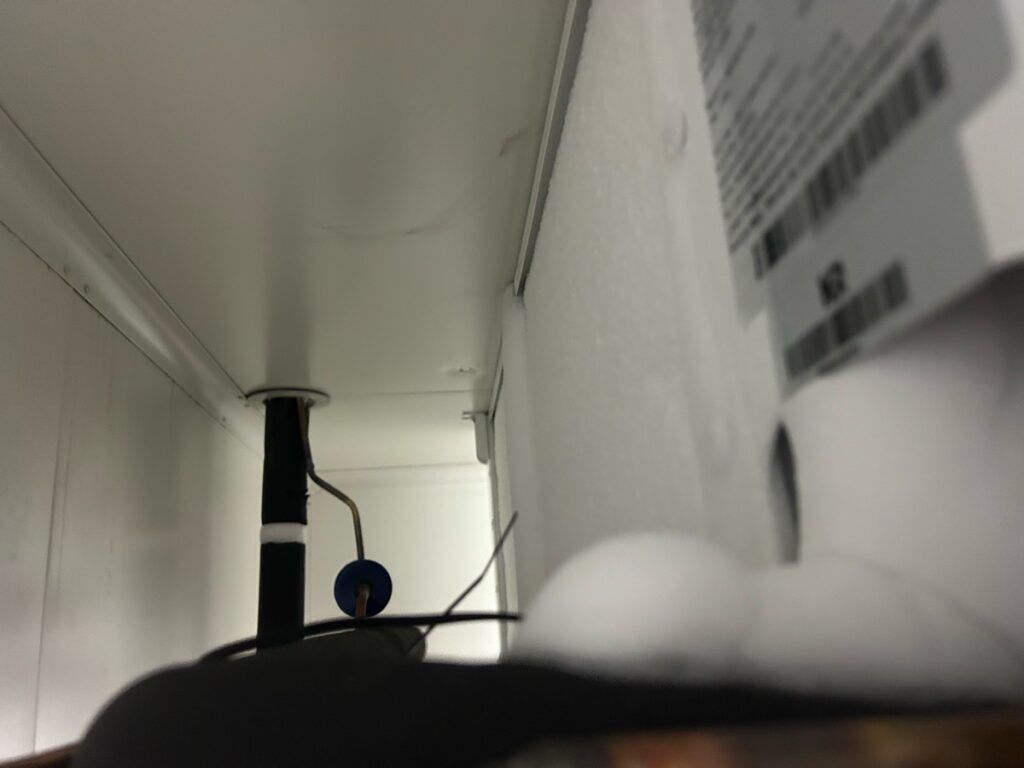
A cold room icing up is more than just an inconvenience—it’s a sign something’s wrong. Left unchecked, ice build-up reduces cooling efficiency, increases energy costs, and can lead to stock loss or major breakdowns.


Common Reasons Your Cold Room Is Icing Up

1. Damaged or Worn Door Seals

If warm, moist air leaks into the cold room, it condenses and freezes on the evaporator coil and walls.
Fix: Replace seals and adjust door closers.
Repair Time: 1–2 hours.

2. Doors Left Open or Frequent Door Use

Every time the door opens, moisture enters. In high-traffic areas, this can overwhelm the defrost cycle.
Fix: Install door curtains, train staff to minimise open time, or install automated closers.

3. Defrost System Faults

A faulty defrost timer, heater element, or sensor can prevent ice from melting off the evaporator coil.
Fix: Inspect and replace faulty components.
Repair Time: 2–3 hours depending on parts.

4. Blocked or Frozen Drain Line

A blocked drain pan or pipe can cause ice to back up and spread.
Fix: Clear drain line and check for proper slope.
Repair Time: 30–60 minutes.

5. Incorrect Thermostat or Controller Settings

If the room temperature is too low or defrost intervals are wrong, ice can quickly accumulate.
Fix: Adjust controller settings and review usage patterns.
Repair Time: <1 hour.


Why Ice Build-Up Is Bad for Business

  • Higher power bills – Ice restricts airflow and forces the compressor to work harder.

  • Temperature instability – Stock may not stay at safe storage levels.

  • Increased risk of breakdowns – Ice strain can damage components and shorten equipment life.


Areas We Service

We provide cold room inspection, repair, and maintenance services across:

  • Gold Coast – Southport, Nerang, Robina, Burleigh, Coolangatta

  • Brisbane – Brisbane CBD, Logan, Browns Plains, Ipswich

  • Sunshine Coast – Maroochydore, Caloundra, Noosa


Need Help? Call the Experts

Don’t wait until ice brings your cold room to a halt. Our technicians can quickly diagnose and fix the problem so your stock stays safe and your equipment runs efficiently.

Call Now: 1300 227 600
Bo


FAQ
Q: Should I manually scrape ice off the evaporator?
A: No, you risk damaging fins or refrigerant pipes. Call a technician.

Q: How often should I check my door seals?
A: Inspect monthly and replace as soon as cracks or gaps appear.

Q: Is ice on the floor normal?
A: No, it often indicates a drainage or defrost issue.

📞 Ready to Get Back Online?

If your refrigeration has failed, don’t wait.
Call 1300 227 600 now or book urgent service online.

👉 Book Emergency Repairs Now
👉 Learn More About Our Preventative Maintenance Plans


Related Services

Stay Connected

Follow us on Facebook, or LinkedIn for the latest updates on commercial refrigeration tips and industry news.

Enjoyed this article?

Browse more helpful insights and case studies on our Refrigeration Blog
Why Is My Cold Room Not Defrosting? | Gold Coast & Brisbane Experts

Why Is My Cold Room Not Defrosting?

If your cold room isn’t defrosting properly, it can quickly lead to ice build-up, poor temperature control, and higher running costs. Here’s why it happens and what you can do about it.


Common Reasons a Cold Room Stops Defrosting

1. Faulty Defrost Timer or Controller

Most cold rooms use a timer or electronic controller to start the defrost cycle. If it fails, your evaporator coil stays iced up.
Repair Time: 1–2 hours for diagnosis and replacement.

2. Defrost Heater Failure

The heater element melts ice during each defrost cycle. A broken heater means ice won’t melt.
Repair Time: 2–3 hours depending on access and parts availability.

3. Blocked Drain Line

If water from the defrost cycle can’t drain, ice can build up around the coil.
Repair Time: 30–60 minutes for cleaning or clearing the blockage.

4. Door Left Open or Seal Damage

Warm, moist air entering the cold room increases ice build-up, overwhelming the defrost system.
Repair Time: 1–2 hours to replace seals and adjust door closers.

5. Incorrect Settings or Frequent Door Openings

Some cold rooms are simply used in ways the system isn’t set up for. Too many door openings or incorrect defrost settings can cause constant ice.
Solution: Review settings and usage patterns—usually under 1 hour.


How to Prevent Cold Room Defrost Problems

  • Keep doors closed and seals in good condition.

  • Schedule routine maintenance to check timers, heaters, and controllers.

  • Make sure drain lines are clear.


Areas We Service

We provide cold room repairs and maintenance across:

  • Gold Coast – including Southport, Nerang, Robina, Burleigh, and Coolangatta

  • Brisbane – including Brisbane CBD, Logan, Browns Plains, and Ipswich

  • Sunshine Coast – including Maroochydore, Caloundra, and Noosa

  • Northern NSW – including Tweed Heads, Kingscliff, and Byron Bay


Need Help Fast?

If your cold room isn’t defrosting, call us today. We’ll diagnose and repair faults quickly to keep your stock safe and your business running.

Call Now: [Insert Click-to-Call Number]
Book Online: [Insert Booking Link]


FAQ
Q: Can I fix a defrost timer myself?
A: No, timers and controllers are electrical components and should only be replaced by licensed technicians.

Q: How often should a cold room defrost?
A: Most commercial cold rooms defrost 2–4 times per day, depending on usage.

Q: Is ice on the floor normal?
A: No. It usually indicates a blocked drain or faulty heater.

📞 Ready to Get Back Online?

If your refrigeration has failed, don’t wait.
Call 1300 227 600 now or book urgent service online.

👉 Book Emergency Repairs Now
👉 Learn More About Our Preventative Maintenance Plans


Related Services

Stay Connected

Follow us on Facebook, or LinkedIn for the latest updates on commercial refrigeration tips and industry news.

Enjoyed this article?

Browse more helpful insights and case studies on our Refrigeration Blog
Cold Room Repairs: Typical Faults & How Long Repairs Take

Cold Room Repairs: Typical Faults & How Long Repairs Take

Cold rooms are essential for keeping stock fresh and safe. When they fail, the costs can be significant. Knowing the common faults and how long they take to repair can help you plan, reduce downtime, and save money.


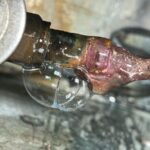
1. Refrigerant Leaks

Symptoms: Warm temperature, ice build-up, hissing sounds, or visible oil residue on pipework.
Repair Time:

  • Minor leak detection and repair: 2–4 hours.

  • Large leak with gas recharge: 4–8 hours.
    Tip: Regular maintenance reduces the risk of major leaks and refrigerant loss.


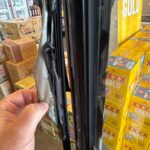
2. Faulty Door Seals (Gaskets)

Symptoms: Ice build-up around the door, higher energy bills, and temperature fluctuations.
Repair Time:

  • Seal replacement: 1–2 hours.
    Tip: Check door seals monthly. A damaged seal lets cold air escape and warm air in, forcing the system to work harder.


3. Evaporator or Condenser Fan Failure

Symptoms: Unusual noise, reduced cooling, or warm spots inside the cold room.
Repair Time:

  • Fan motor replacement: 1–3 hours.

  • Blade cleaning or replacement: 30–60 minutes.
    Tip: Keep fans clean and free of dust to prevent premature motor failure.


4. Thermostat or Controller Faults

Symptoms: Inaccurate temperature reading or the cold room running continuously.
Repair Time:

  • Controller calibration or replacement: 1–2 hours.
    Tip: Upgrade old mechanical thermostats to digital controllers for more precise temperature control.


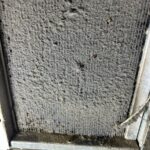
5. Ice Build-Up on Evaporator Coil

Symptoms: Restricted airflow, poor cooling, and higher running costs.
Repair Time:

  • Defrost cycle fix or heater element replacement: 2–3 hours.

  • Manual ice removal (in severe cases): 4–6 hours.
    Tip: Ensure defrost timers are set correctly and that door openings are kept to a minimum.


6. Compressor Problems

Symptoms: Loud knocking sounds, frequent tripping, or no cooling at all.
Repair Time:

  • Minor electrical fault: 2–3 hours.

  • Compressor replacement: 6–10 hours depending on system design.
    Tip: Compressors are high-value items – routine maintenance saves thousands in replacement costs.


7. Drain Blockages

Symptoms: Water pooling on the floor, bad smells, or ice around the drain pan.
Repair Time:

  • Drain cleaning: 30–60 minutes.
    Tip: Keep the drain line clear to prevent water damage and hygiene issues.


How to Avoid Major Repairs

  • Schedule regular preventative maintenance.

  • Keep door seals and hinges in good condition.

  • Minimise door openings and check temperature daily.

  • Respond quickly to alarms or unusual noises.


Need Help Fast?
Professional cold room repairs can minimise downtime and protect your stock. A proactive maintenance plan will save you time, money, and stress.


FAQ
Q: How often should I service my cold room?
A: Every 3–6 months for high-use environments, and at least annually for lower-use rooms.

Q: What’s the most common cold room repair?
A: Door seal replacements and drain cleaning are the most frequent quick fixes.

Q: Can I do minor repairs myself?
A: Simple tasks like cleaning drains or checking seals can be DIY, but refrigeration repairs (like gas leaks or electrical faults) must be done by licensed technicians.

Peace of Mind Guarantee

Same fault won’t return within 30 days—or we fix it free. Five-year workmanship warranty on all repairs.


📞 Ready to Get Back Online?

If your refrigeration has failed, don’t wait.
Call 1300 227 600 now or book urgent service online.

👉 Book Emergency Repairs Now
👉 Learn More About Our Preventative Maintenance Plans


Related Services

Stay Connected

Follow us on Facebook, or LinkedIn for the latest updates on commercial refrigeration tips and industry news.

Enjoyed this article?

Browse more helpful insights and case studies on our Refrigeration Blog
24/7 Commercial Refrigeration Breakdown Service – Brisbane & Gold Coast | ACRO

24/7 Commercial Refrigeration Breakdown Service

When a commercial fridge breaks down, stock spoils and customers walk. Our licensed commercial refrigeration mechanics jump the queue for emergencies—day or night.

Why speed matters

  • Food-safety clock is ticking – bacteria doubles every 20 min.

  • Revenue evaporates – no cold drinks, no sales.

  • Energy costs spike – compressors run hot while temps rise.

Common breakdown calls we fix

Equipment Typical fault search term What we do on arrival
Walk-in freezer / cooler walk-in freezer repair, cold room not cooling Temperature log, gas balance, fan & defrost check
Cool-room cool room repair, coolroom breakdown Seal and door sweep test, controller reset
Display fridge / cabinet display fridge repair, supermarket display fridge breakdown Coil clean, airflow restoration
Glass-door merchandiser glass door fridge repair Door-heater and lighting circuit check
Ice machine (Hoshizaki, Scotsman, Manitowoc) commercial ice machine repair, ice maker breakdown service Scale removal, pump and sensor swap

Add-on symptoms we see in search logs: commercial fridge not cooling, display fridge icing up commercial, ice machine not making ice commercial. If that sounds like you, call us.

Our 5-step rapid-response workflow

  1. 24/7 call centre answers in under 10 sec.

  2. GPS-routed tech – closest van dispatched.

  3. First-hour fix aim: 80% jobs solved without parts run.

  4. HACCP log emailed before we leave site.

  5. Follow-up cold-room performance check within 24 hrs.

Industries we keep cold

Restaurants · Cafés · Hotels · Clubs · Butchers · Bakeries · Supermarkets · Aged-care · Pharmacies · Breweries · Wholesale warehouses.

Why choose ACRO

  • Licensed refrigeration mechanics, not white-goods “fridge fixers”.

  • Stocked vans: common compressors, fans, TX valves on board.

  • Transparent rates: flat call-out, itemised parts.

  • SE Qld coverage: Brisbane, Gold Coast, Ipswich, Logan, Sunshine Coast fringe.

Need help now? Call 1300 ACRO 24/7 or book online for an immediate callback.


FAQs

How fast can you attend?
Brisbane and inner suburbs, Gold Coast Logan and Sunshine Coast—within two hours. Remote sites by agreement.

Do you service cool-rooms after hours?
Yes. Our emergency commercial refrigeration repair team runs 24/7, 365 days.

What brands do you carry parts for?
Hoshizaki, Skope, Williams, Zanotti, Tecumseh, Bitzer and more.

Can you fix my domestic fridge?
No. We only handle commercial refrigeration breakdowns.

Will you provide a HACCP compliance report?
Every job sheet includes temp readings and corrective actions for audit trails.


📞 Ready to Get Back Online?

If your refrigeration has failed, don’t wait.
Call 1300 227 600 now or book urgent service online.

👉 Book Emergency Repairs Now
👉 Learn More About Our Preventative Maintenance Plans


Related Services

Stay Connected

Follow us on Facebook, or LinkedIn for the latest updates on commercial refrigeration tips and industry news.

Enjoyed this article?

Browse more helpful insights and case studies on our Refrigeration Blog
Case Study: Ice Machine Drain Problems and Weather Protection

Case Study: Why Your Ice Machine Drain Matters (and Why Weather Protection Is Essential)

The Problem

A new client recently took over a restaurant and inherited an ice machine from the previous owner. Originally, the ice machine was mounted on a raised platform. At some point, someone removed the platform and placed the machine directly on the ground.

The result? The drain pipe now runs uphill instead of down. Water that should be draining away is running back into the machine, causing leaks, poor ice quality, and unnecessary repair costs. To make matters worse, the ice machine was left exposed to weather and the elements outside.


What We Found

  • Drainage Slope Issue: Ice machines rely on gravity for drainage. If the drain line runs uphill, water cannot exit properly, and it flows back into the unit.

  • Outdoor Exposure: The ice machine was outside without weather protection. This left it vulnerable to rain, heat, dirt, and contamination – none of which are friendly to ice production or hygiene standards.


The Solution

  1. Drainage Fix:

    • We repositioned the ice machine so that the drain runs downwards from the outlet to the floor waste.

    • This simple adjustment prevents water backflow and stops internal flooding.

  2. Weather Protection:

    • While it’s fine to install an ice machine at ground level, it must be protected from the elements.

    • We recommended relocating it under cover or installing a weatherproof enclosure. This prevents electrical issues, corrosion, and contamination risks.


The Outcome

After correcting the drain slope and protecting the machine from the weather:

  • Meltwater now flows freely to the drain, reducing risk of leaks.

  • The machine operates reliably and produces clean, safe ice.

  • The client avoids costly breakdowns and compliance issues.


Key Lessons for Restaurant Owners

  • Ice machines can sit on the ground, but the drain must run downhill.

  • Always ensure your ice machine is protected from rain, heat, and outdoor contamination.

  • Small installation errors can cause big repair bills – get it installed correctly from the start.


Thinking of relocating or inheriting an ice machine?

Talk to Acro Refrigeration before you move or modify it. A small check-up can save you thousands in repairs and downtime.

If your refrigeration has failed, don’t wait.
Call 1300 227 600 now or book urgent service online.

👉 Book Emergency Repairs Now
👉 Learn More About Our Preventative Maintenance Plans


Related Services

Stay Connected

Follow us on Facebook, or LinkedIn for the latest updates on commercial refrigeration tips and industry news.

Enjoyed this article?

Browse more helpful insights and case studies on our Refrigeration Blog

What Do Refrigeration Mechanics Do?

What Do Refrigeration Mechanics Do? | Acro Refrigeration

Refrigeration mechanics are skilled tradespeople who install, maintain, and repair cooling systems essential to modern businesses. From cold rooms in restaurants to medical refrigeration in hospitals, they ensure temperature-sensitive goods and environments remain safe and reliable.

Core Responsibilities of a Refrigeration Mechanic

  1. Installation of Refrigeration Systems
    Refrigeration mechanics design and install commercial and industrial systems, including cold rooms, freezers, display cabinets, and ice machines. Their work ensures systems meet performance and compliance requirements from day one.

  2. Preventative Maintenance
    Regular servicing keeps refrigeration systems operating efficiently and reduces the risk of breakdowns. Mechanics clean condensers, check refrigerant levels, test electrical components, and replace worn parts before they fail.

  3. Emergency Repairs
    When cooling systems fail, refrigeration mechanics respond quickly to diagnose the issue and restore functionality. This is critical for industries where temperature control directly impacts safety and compliance, such as food storage and healthcare.

  4. System Diagnostics and Efficiency Upgrades
    Modern refrigeration systems are becoming smarter and more energy-efficient. Mechanics use diagnostic tools to improve performance, lower energy consumption, and extend the life of refrigeration assets.

  5. Compliance and Safety Checks
    Mechanics ensure systems comply with regulations covering refrigerants, workplace safety, and environmental standards. This includes managing refrigerant handling licences and documenting system performance.

Why Are Refrigeration Mechanics Important?

Without refrigeration mechanics, critical industries like hospitality, healthcare, and logistics would face costly downtime, product loss, and compliance issues. These specialists ensure businesses maintain operational continuity and protect their reputation.

When to Call a Refrigeration Mechanic

  • Your cold room or freezer isn’t holding temperature

  • You need a new commercial fridge installation

  • Energy costs are increasing unexpectedly

  • Preventative maintenance is due or overdue


Looking for qualified refrigeration mechanics?

If your refrigeration has failed, don’t wait.
Call 1300 227 600 now or book urgent service online.

👉 Book Emergency Repairs Now
👉 Learn More About Our Preventative Maintenance Plans


Related Services

Frequently Asked Questions

1. What does a refrigeration mechanic do?

A refrigeration mechanic installs, services, and repairs commercial refrigeration systems, ensuring they run efficiently and meet compliance standards.

2. Do refrigeration mechanics work on air conditioning?

Many refrigeration mechanics are also qualified to work on commercial air conditioning systems, including split systems and ducted setups.

3. How often should I service my refrigeration system?

For most commercial systems, preventative maintenance is recommended every 3–6 months to prevent breakdowns and maintain energy efficiency.

4. What industries need refrigeration mechanics?

Refrigeration mechanics work in hospitality, healthcare, supermarkets, logistics, and any business requiring controlled temperature environments.

5. Are refrigeration mechanics licensed?

Yes, refrigeration mechanics need specialist trade qualifications and refrigerant handling licences to legally work on cooling systems in Australia.

Stay Connected

Follow us on Facebook, or LinkedIn for the latest updates on commercial refrigeration tips and industry news.

Enjoyed this article?

Browse more helpful insights and case studies on our Refrigeration Blog

Commercial Refrigeration Service Plans

Why Every Business Needs a Commercial Refrigeration Service Plan (Before It’s Too Late)

If your business relies on cold rooms, display fridges, or other commercial refrigeration systems, a sudden breakdown can mean more than just inconvenience — it can mean lost stock, lost revenue, and unhappy customers. The good news? Most breakdowns are preventable with a commercial refrigeration service plan.


What is a Commercial Refrigeration Service Plan?

A commercial refrigeration service plan is a tailored preventative maintenance agreement designed to keep your refrigeration systems in peak condition. It typically includes:

  • Regular inspections of cold rooms, freezers, and display cabinets

  • Cleaning and servicing of coils, filters, and door seals

  • Temperature calibration and system checks

  • Early identification of worn parts and potential failures


Why It Matters to Your Business

  1. Prevent Emergency Breakdowns
    Most refrigeration breakdowns are caused by minor faults that go unnoticed until it’s too late. Regular servicing helps you avoid urgent repair costs and operational disruptions.

  2. Extend Equipment Lifespan
    Commercial refrigeration is a significant investment. A service plan ensures you get the longest possible life from your cool rooms and fridges.

  3. Reduce Energy Costs
    Clean, well-maintained systems run more efficiently, lowering your electricity bills — an important factor with today’s rising energy costs.

  4. Compliance and Food Safety
    In industries like hospitality, health, and aged care, compliance is non-negotiable. Preventative maintenance ensures your equipment meets HACCP and health regulations.


How We Can Help

At ACRO Refrigeration, we design service plans for:

  • Restaurants and hospitality venues

  • Supermarkets and retail outlets

  • Health and aged care facilities

  • Food production and distribution centres

We also provide 24/7 emergency breakdown support — but our goal is to make sure you don’t need it in the first place.


Stay Connected


Our Coverage – Fast Dispatch Across SE QLD

We have local technicians on standby across:

  • Brisbane Metro (CBD, Northside, Southside, East & West)

  • Gold Coast – All areas, from Coolangatta to Yatala and inland suburbs

  • Logan, Ipswich, Redlands, Beenleigh & Surrounding Areas

Not sure if you’re in our service zone? Call 1300 227 600 — we’ll confirm immediately.


Who We Serve

  • Restaurants, Cafés & Catering Businesses

  • Hotels & Resorts

  • Aged Care Facilities & Hospitals

  • Schools, Childcare & Universities

  • Butchers, Supermarkets & Bottle Shops

  • Cold Storage Warehouses & Distribution Centres


Related Articles


📞 Let’s Build Your Maintenance Plan

Contact ACRO Refrigeration or call 1300 227 600 today to create a preventative maintenance plan that cuts costs, limits downtime, and keeps your equipment reliable — all backed by our 5-year workmanship guarantee.

Ice Machine & Commercial Fridge Service – Or Is It a Repair You Need?

Ice Machine & Commercial Fridge Service – Or Is It a Repair You Need?

At ACRO Refrigeration, we often receive calls from business owners asking for an “ice machine service” or “commercial fridge service”—but what they really need is a repair. While the terms are often used interchangeably, there’s an important difference. Knowing which one you need can save you time, money, and prevent further equipment damage.

What’s the Difference Between a Service and a Repair?

  • Service usually refers to preventative maintenance – cleaning, inspection, filter changes, performance checks, and adjustments to keep your equipment running smoothly.

  • Repair means fixing a fault or breakdown – such as a fridge not cooling, an ice machine not making ice, or a system leaking refrigerant.

If your equipment has stopped working, is leaking, noisy, or showing warning lights, you need a repair, not just a routine service.


Common Ice Machine & Fridge Breakdown Issues We Repair

Our licensed technicians repair all major brands and types of commercial refrigeration and ice machines. Common repair calls include:

  • Ice machines not making ice

  • Fridges not maintaining temperature

  • Blocked drains or water leaks

  • Noisy compressors or fans

  • Electrical faults or control board errors

  • Foul smells due to poor airflow or mold


Fast, Professional Commercial Equipment Repairs

When your equipment fails, you can’t afford to wait. That’s why we offer:

  • 24/7 emergency breakdown repairs

  • Same-day response in most cases

  • Fully-stocked vans for faster fixes

  • Qualified refrigeration mechanics with commercial expertise

Our team services restaurants, cafes, hospitals, aged care facilities, hotels, convenience stores, and more across Brisbane and the Gold Coast.


Need a Repair? Just Ask for “Service”—We’ll Know What You Mean

We understand that many customers say “I need my fridge serviced” when they really mean “It’s broken—help!”. Don’t worry. Just tell us what’s wrong, and we’ll take care of the rest.

Whether you need an urgent repair or a routine maintenance service, we’ve got you covered.


Book Your Ice Machine or Fridge Service Today

Don’t risk stock loss, safety issues, or lost trade.

📞 Call ACRO Refrigeration now on 1300 227 600
💻 Or book online

We’ll get your cold equipment back up and running—fast.


Related Services

Freezer Room Icing Up? Here’s Why & How to Stop It

ACRO technician defrosting freezer room in Gold Coast restaurant

Freezer Room Icing Up? Here’s Why & How to Stop It

ACRO call-out data shows 65 % of freezer breakdowns start with unseen ice build-up.
Fix it early to avoid slips, stock loss and compressor failures.

1. Door Left Ajar or Faulty Closers

Humid air floods in. Fit self-closing hinges or install a door-ajar alarm.

2. Worn Heater Cables in Door Frame

Condensation freezes on the sill. Replace heaters before they short.

3. Failed Defrost Timer or Heater

Ice cakes the evaporator coil. Test timer contacts; verify heater amperage.

4. High Humidity Stock Loading

Loading warm kegs or produce causes interior snow. Use a blast chiller pre-stage if possible.

5. Blocked Drain Line

Water from defrost can’t escape, re-freezes on floor. Clear drain and add heat-trace.

6. Panel Gaps or Roof Cap Leaks

Water vapour migrates through cracks—seal with food-grade foam and aluminium flashing.

Safety tip: Ice on floors drives slip claims. Ues heated anti-slip mats for high-traffic freezers.


📞 Call 24/7 – 1300 227 600

FAQ

How often should a freezer defrost?

Typically 4–6 cycles per day, but heavy-load sites may need more.

Can I chip ice off manually?

Risky—damages coil fins and voids warranty; call a qualified tech.

📞 Ready to Get Back Online?

If your refrigeration has failed, don’t wait.
Call 1300 227 600 now or book urgent service online.

👉 Book Emergency Repairs Now
👉 Learn More About Our Preventative Maintenance Plans


Related Services

Stay Connected

Follow us on Facebook, or LinkedIn for the latest updates on commercial refrigeration tips and industry news.

Enjoyed this article?

Browse more helpful insights and case studies on our Refrigeration Blog


Cold Room Not Holding Temperature? 5 Causes & Quick Fixes

Cold Room Not Holding Temperature? 5 Causes & Quick Fixes

A walk-in running at 8 °C can spoil thousands in stock and trigger HACCP breaches. Before you panic, run through these five checks—then call
1300 227 600 if temps stay high.

1. Blocked Evaporator Coil

Ice blankets airflow and the temperature climbs. Defrost manually, check heaters and fans.

2. Door Gasket Gaps or Damaged Sweeps

Warm air leaks overload the compressor. Inspect seals; replace damaged gaskets within 24 hours.

3. High Ambient Airflow Across the Condenser

Back-of-house temperatures over 32 °C reduce cooling capacity 12 %. Improve ventilation or relocate the unit.

4. Faulty Expansion Valve or Refrigerant Loss

Sweating suction line + high super-heat means a pro needs to test for leaks and balance charge.

5. Poor Stock Loading Practices

Boxes against vents choke circulation. Maintain a 100 mm gap around the evaporator.


📞 Call 24/7 – 1300 227 600

FAQ

How cold should a walk-in be?

Ideally 0–4 °C for chilled storage, per Food Standards Code 3.2.2A.

Will a gas top-up fix the problem?

Only if leakage caused low charge. Otherwise it masks the real fault and voids warranty.

Do you carry parts on the van?

Yes—fans, heaters, TX valves and R404A/R452A gas to fix 87 % of jobs first visit.

Need a Cold Room Repaired Fast?

If you’re facing a refrigeration emergency in Brisbane or the Gold Coast, call ACRO 24/7. We’ll be there fast—and we’ll come ready to fix it.

👉 Brisbane, Gold Coast, Sunshine Coast’s Fastest Cold Room Repair:


Related Articles

Stay Connected

Follow us on Facebook, or LinkedIn for the latest updates on commercial refrigeration tips and industry news.

Enjoyed this article?

Browse more helpful insights and case studies on our Refrigeration Blog