
Cold Room FAQ
Ultimate Guide to Commercial Cool Room Maintenance: 10 Essential Tips Maintaining a commercial refrigeration cool room in Brisbane, Gold Coast and Sunshine Coast is crucial for businesses that rely o...
Introduction
Ultimate Guide to Commercial Cool Room Maintenance: 10 Essential Tips Maintaining a commercial refrigeration cool room in Brisbane, Gold Coast and Sunshine Coast is crucial for businesses that rely on temperature-sensitive goods—whether you’re running a restaurant, grocery store, butcher shop, or pharmaceutical warehouse. Regular upkeep ensures energy efficiency, longer equipment life, and product safety. Here’s a complete guide packed with 10 essential maintenance tips, each paired with helpful icons and action points.
1. 🧼 Regular Cleaning
One of the easiest but most impactful maintenance tasks is keeping your cool room clean.
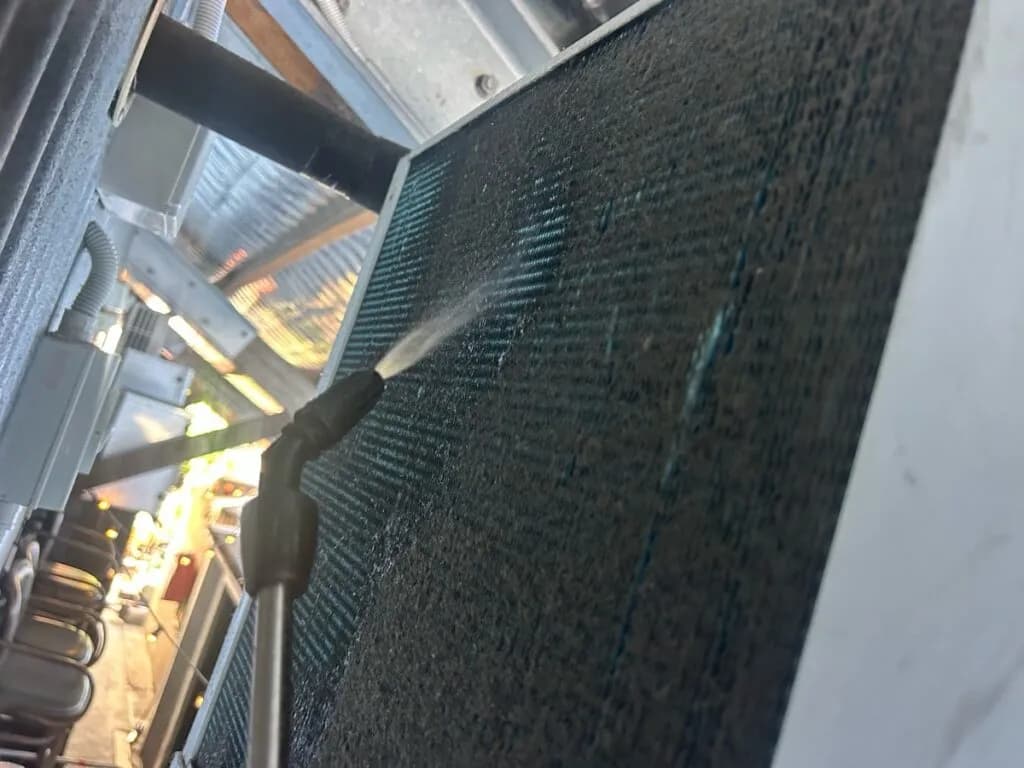
- Condenser Coils: Dust and grime on condenser coils make your system work harder. Clean every 3 months with a soft brush or vacuum.
- Interior Cleaning: Wipe down walls, floors, shelves, and door handles weekly. Use non-abrasive disinfectants to maintain food safety and hygiene.
“💡 Tip: Create a cleaning schedule and checklist to ensure consistency.”
2. 🚪 Check the Door Seals
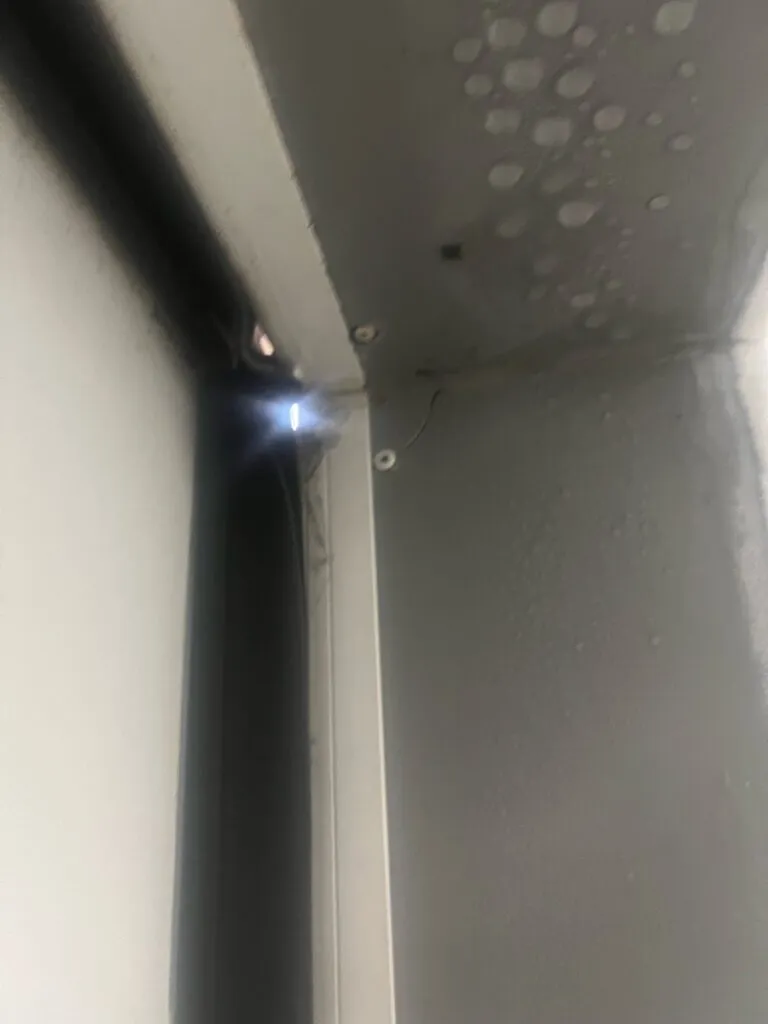
Damaged or worn gaskets and door seals let warm air in and cold air out, reducing efficiency and increasing energy costs.
- Inspect seals monthly for cracks, splits, or loose edges.
- Replace damaged seals promptly to avoid straining the compressor.
“🛠️ Quick Fix: Try the paper test—if you can slide paper out when the door is closed, the seal needs replacing.”
3. 🌡️ Monitor the Temperature
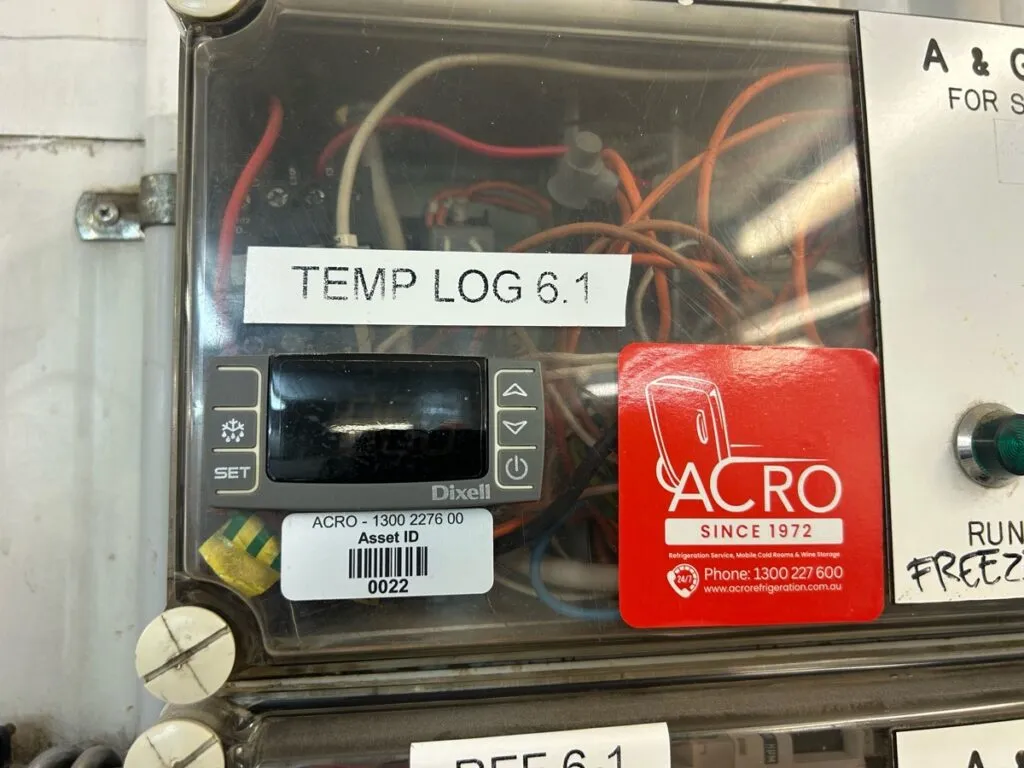
Maintaining a consistent internal temperature is key to food safety and system health.
- Install a backup thermometer to verify readings from your built-in system.
- Set alerts for sudden temperature changes, which could signal equipment failure.
“🧠 Best Practice: Keep a daily log of temperature checks for compliance and auditing.”
4. 🧰 Schedule Regular Maintenance
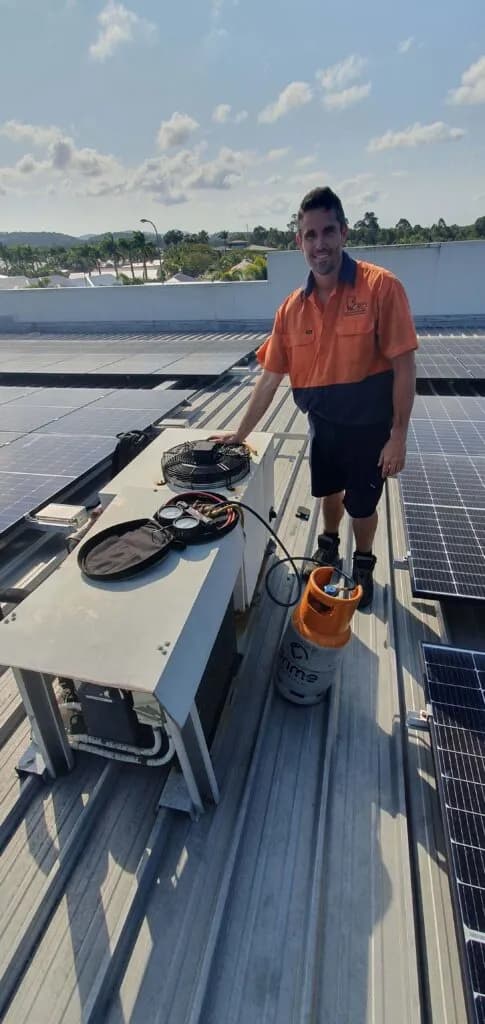
Professional maintenance is critical in catching problems before they turn into costly breakdowns.
- Schedule inspections every 6 months by a licensed refrigeration technician.
- Services should include: compressor checks, refrigerant level assessment, fan motor testing, and leak detection.
“📅 Reminder: Set calendar alerts so you never miss a service date.”
5. 📦 Practice Proper Stocking
Overstocking reduces air circulation and forces your unit to work harder.
- Store items with space between them for airflow.
- Avoid placing products directly against the evaporator or fan outlets.
“🚫 Avoid: Blocking airflow with cardboard boxes or stacked containers.”
6. 🌀 Inspect the Fans
Fans distribute cold air evenly inside the cool room.
- Check that all fans are spinning freely and quietly.
- Listen for unusual noises, which could signal a worn bearing or electrical fault.
“⚠️ Warning: A malfunctioning fan can lead to hot spots and spoiled inventory.”
7. ⚙️ Maintain the Compressor
The compressor is the powerhouse of your refrigeration system.
- Inspect for oil leaks, vibration, or excessive heat.
- If the unit is constantly running, it’s time for a professional assessment.
“🔍 Watch For: Increased noise or short cycling (frequent starting and stopping).”
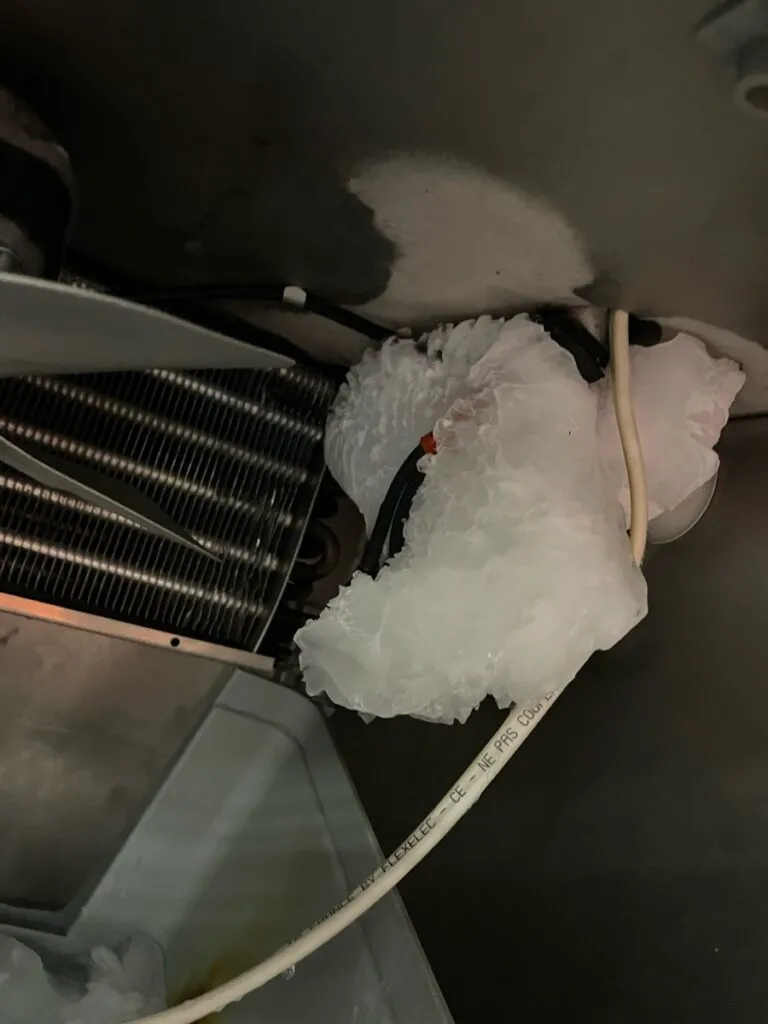
8. ❄️ Check the Defrost System
Automatic defrost systems prevent frost build-up, but they still need oversight.
- Inspect evaporator coils for frost accumulation.
- If necessary, run a manual defrost cycle to keep airflow optimal.
“🧊 Note: Ice build-up reduces efficiency and raises energy usage.”
9. 💡 Monitor Energy Consumption
A sudden increase in power usage often signals an underlying problem.
- Review energy bills and set consumption baselines.
- Use smart meters or energy management systems to track performance.
“🔋 Tip: Upgrade to energy-efficient units with high-star ratings for long-term savings.”
10. 📚 Stay Informed & Trained
Technology and compliance standards are always evolving.
- Keep up with industry best practices through webinars, trade shows, and industry publications.
- Train your staff to follow operational procedures and report issues early.
“🧠 Knowledge Is Power: A well-informed team reduces the risk of user-caused issues.”
✅ Final Thoughts: Don’t Let Your Cool Room Let You Down
A poorly maintained cool room can lead to spoiled products, regulatory violations, and expensive repairs. But with regular inspections, professional servicing, and daily attention to detail, you can keep your commercial refrigeration system running smoothly and efficiently.
📞 Ready for Reliable Cool Room Maintenance?
At ACRO, we specialize in commercial refrigeration servicing and preventative maintenance.
👉 Let’s Help You Stay Cool:
- 📆 Book a Service Visit Now
- 📞 1300 227 600
- 📩 Get a Free Maintenance Quote
🔄 Stay Connected
Follow us on Facebook, or LinkedIn for the latest updates on commercial refrigeration tips and industry news.
📰 Enjoyed this article?
Browse more helpful insights and case studies on our Refrigeration Blog
Need expert advice for your business?
Our technicians are available 24/7 for emergency repairs, preventative maintenance and cold room builds across Brisbane, Gold Coast and the Sunshine Coast.
Related Articles
Refrigeration Emergency? We're On Call 24/7.
Don't lose stock to a breakdown. Call now or book a maintenance plan to prevent it happening in the first place.